







At the Savannah College of Art and Design (SCAD), a team of student filmmakers recently explored a modern virtual production workflow using Sony’s mocopi motion capture system, Unreal Engine, and an XR stage pipeline to create an original cinematic short film within a 10-week production schedule.
Developed as part of SCAD’s advanced independent study program, the project challenged students to write, direct, and produce a fully realized short film while integrating real-time filmmaking techniques typically found in professional film and television pipelines.
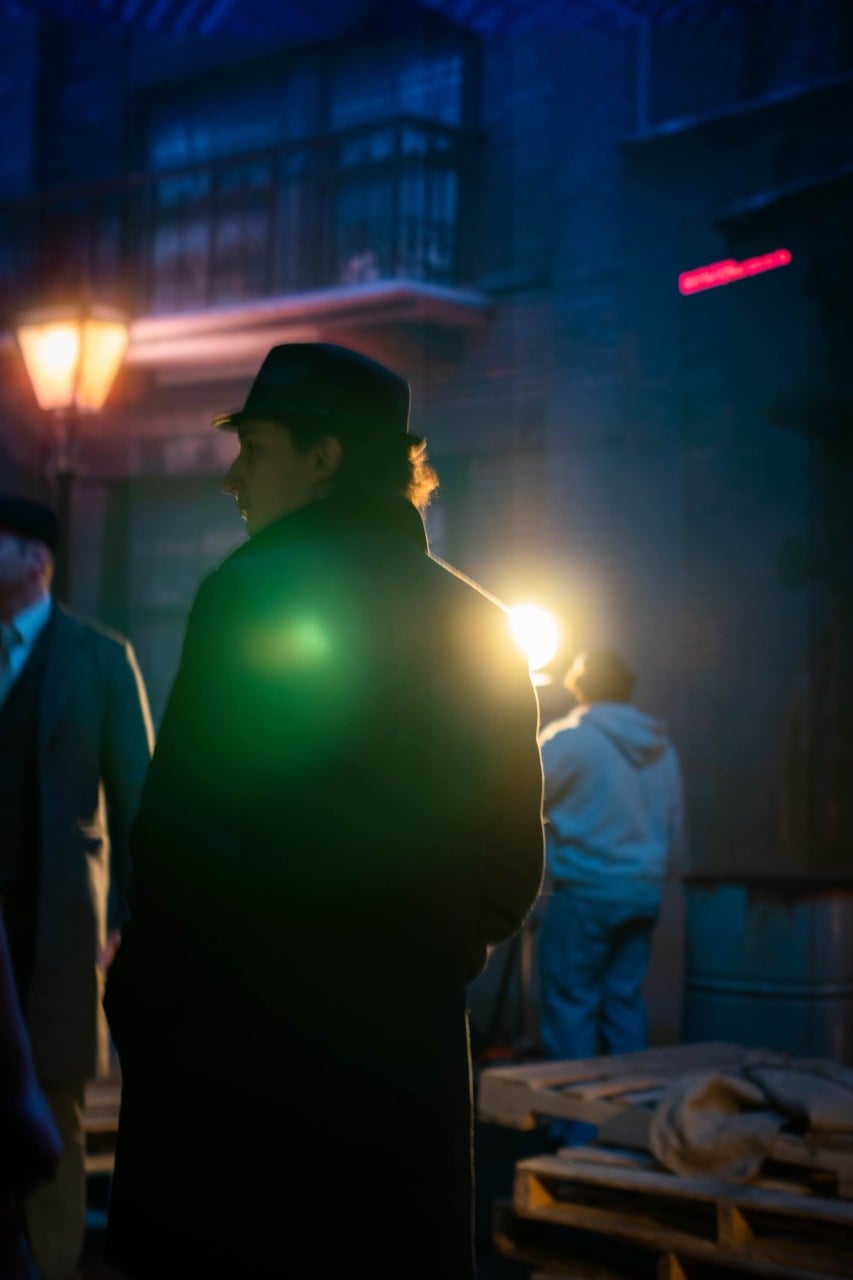
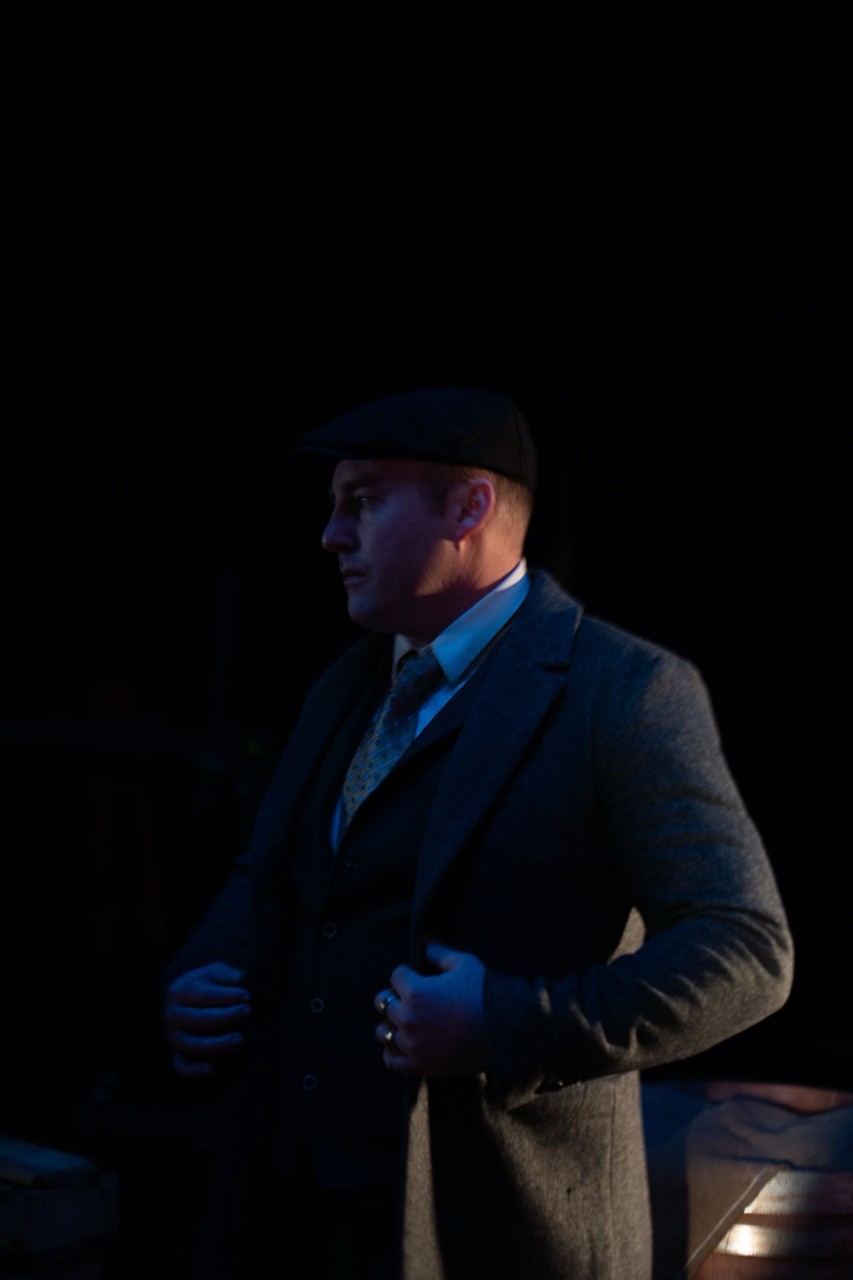
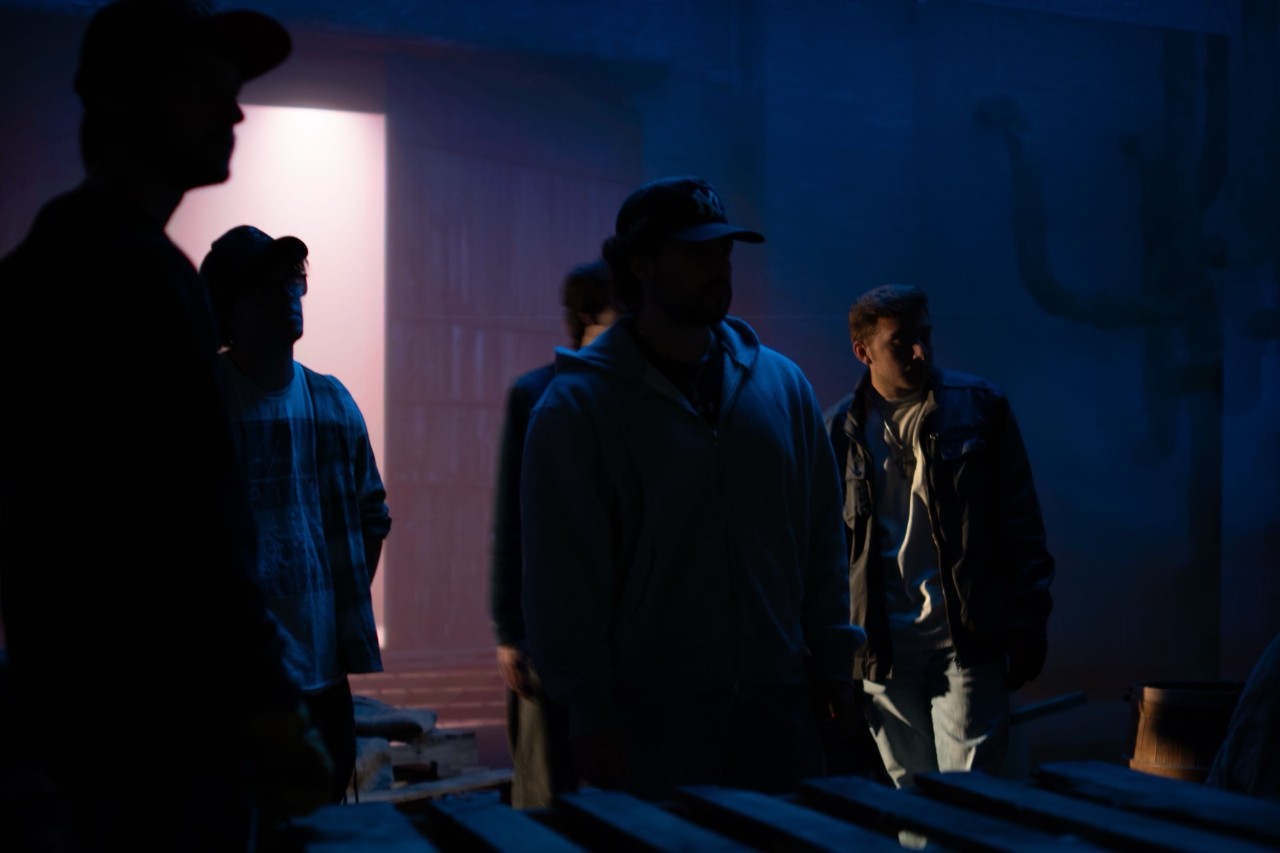
The students created an original 1920s-inspired drama set in a stylized New York alleyway, featuring multiple digital background characters performing alongside live actors inside an LED volume environment. Director Maura Collins worked with mocap lead Kiran Banda to create those performances. They used two mocopi 6-sensor kits combined into a mocopi Pro set streaming direct to PC to capture motion data for civilians, mob characters, and environmental reaction sequences ahead of filming.
The motion capture sessions took place directly in the classroom, where students recorded performances before rigging the captured data to character models and integrating them into their Unreal Engine scenes.
For Michael Sledge, one of the student creators and performers, the accessibility of the workflow stood out immediately.
“It was pretty easy to work with. We just had to strap it on and articulate and stabilize everything. Once that happened, it just took and we just went and done with it.” - Kiran Barba
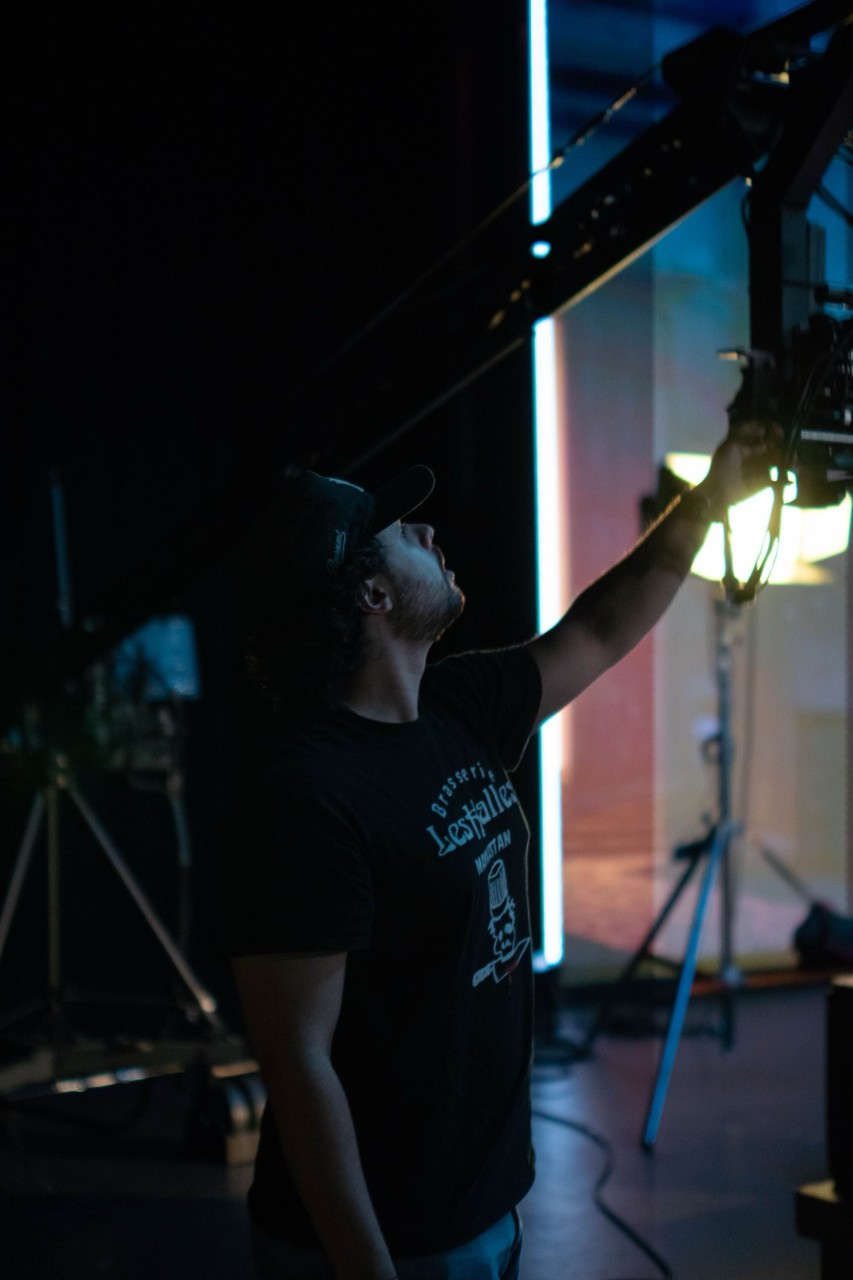
Rather than relying on post-production compositing to populate the environment later, the team brought the animated characters directly into the XR stage during production. This allowed the filmmakers to view digital extras live on the LED volume while shooting.
For cinematographer Kian Crook, that real-time visibility significantly changed the production process.
“Having the characters coming from an LED volume and being with the characters on the LED volume, it’s so useful to actually see the characters there in the background. You’re not doing that in post.” - Kian Crook.
Because the characters were already active within the scene, the team could make creative decisions in real time – adjusting blocking, repositioning characters, modifying lighting, and swapping animations directly on set.
“We can just move them around, change the lighting completely, shift which character was in the foreground or background, and change their animation on the day.”
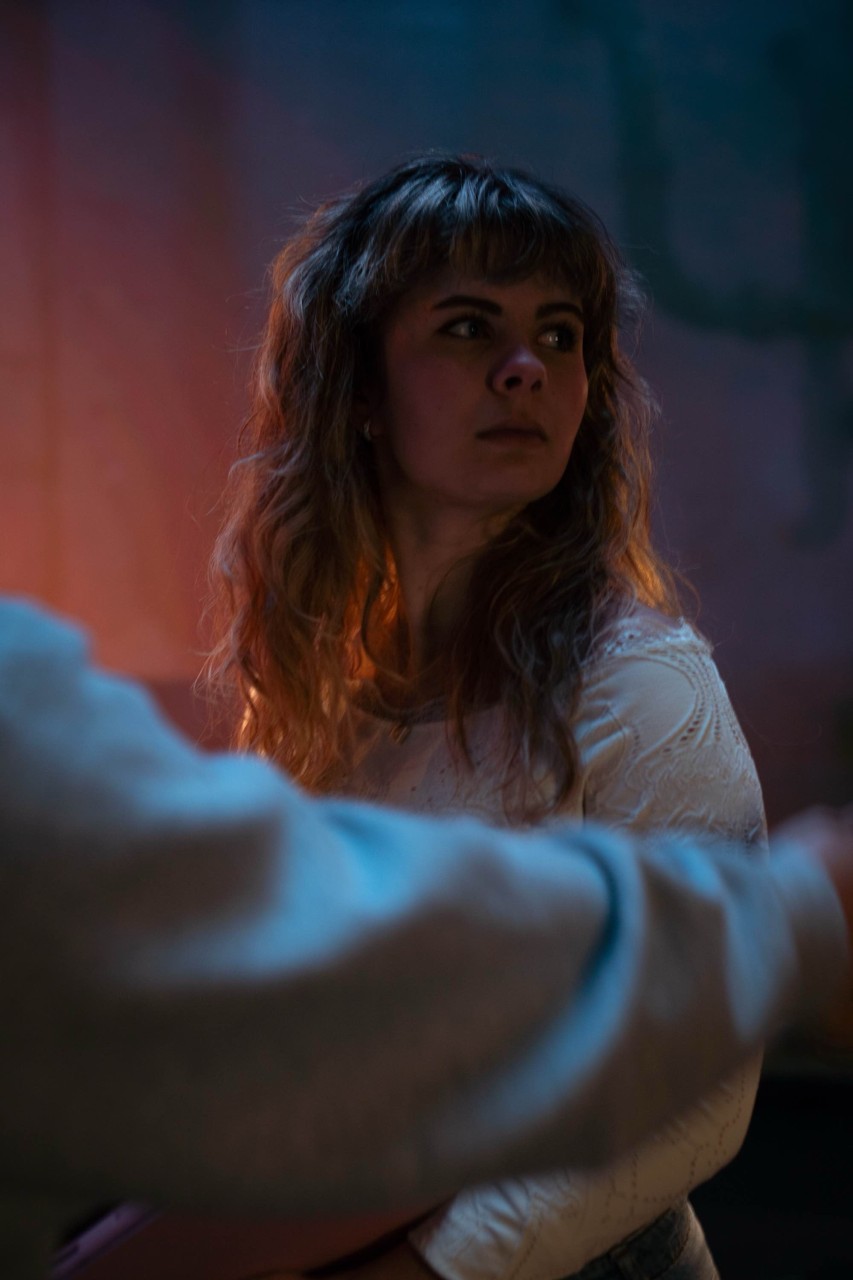
The workflow also transformed the experience for performers and crew members. Instead of acting against empty space, students could react to visible environments and surrounding digital characters during filming.
“It humanized the entire experience, but for people on set as well, it made them feel more comfortable.”
Throughout production, the students experimented with a hybrid virtual production pipeline that combined fully rendered Unreal Engine assets. The environment was built in Blender, with building facades traditionally modeled by hand and textured using AI-generated imagery created with Nano Banana and Midjourney. The students also utilized photogrammetry scans for the digital actors, captured on their phones.
The project also demonstrated how portable motion capture workflows can support collaborative filmmaking environments.
“The portability is fantastic for it. Just being able to set up in any classroom that we have, studio that we have is brilliant.” — Kian Crook
For the students, the project highlighted how accessible real-time filmmaking tools are becoming for emerging creators working inside academic environments.
“We could see what looked like a really high-budget production for something within our class.” - Maura Collins
As the project approaches picture lock, the students are continuing to explore real-time production techniques for future films and thesis projects.
SCAD Students and affiliates:
Maura Collins: Director, Co-Writer, Producer
Kian Crook: Director of Photography, Co-Writer, Camera Operator, Previsualization, Explosion Physics
Jaxson Hillard: Producer
Michael Sledge: Producer, 1st AD
Forest Bax: Producer, Key Grip
Luke Pawsey: 1st AC, Gray Boxing, Unreal Engine Environment Design, Model Generation, Character Generation
Rafe Maston: 2nd AC, Editor
Andrey Dulnev: BTS, Gray Boxing, BTS Video Editor
Edda Gilbert: Gaffer, Virtual Lighting
Alexander Coto Torres: Best Boy Electric
Joe Marinelli: Image Generation, Explosion Effects
Iona Stites: Production Sound Mixer, Boom Operator
Kiran Kumar: Gray Boxing, Unreal Engine Environment Design, Motion Capture Animation
Felix Kageman: Model Generation
Hunter Ray: Model Generation, Character Generation
Devon Rafferty: Dutch (actor)
Cameron Rattray: Vance (actor)
Joshua Hall Avant: Mac (actor)
Joerg Schodl: Overseeing SCAD Professor
Related product
-jpg.jpeg?width=3840&height=1193&name=Group%207597%20(1)-jpg.jpeg)